
Listed BuildingCupola Restoration
Navigating heritage compliance, conservation-grade materials, and structural authenticity for Edinburgh’s Category A, B, and C listed properties.
Navigating Listed Building Consent
Intervening on Category A, B, and C listed properties requires strict adherence to Historic Environment Scotland guidelines. We provide the technical evidence necessary to satisfy Edinburgh’s heritage officers.
Photographic & Condition Survey
Before intervention, we conduct a diagnostic survey. We provide time-stamped, high-resolution evidence documenting the exact extent of timber fatigue and fabric decay.
Architectural Liaison
We partner with conservation architects to supply the exact material specifications and methodology required to expedite your Listed Building Consent (LBC) application.
Documented Execution
Upon completion, clients receive a formal project dossier detailing the conservation-grade interventions made, ensuring total transparency for future valuations.
Conservation-Grade Materials
Edinburgh’s heritage officers demand strict material authenticity. We do not use modern synthetic shortcuts. Every cupola is restored using historically accurate, time-tested materials to ensure complete Category A, B, and C compliance.
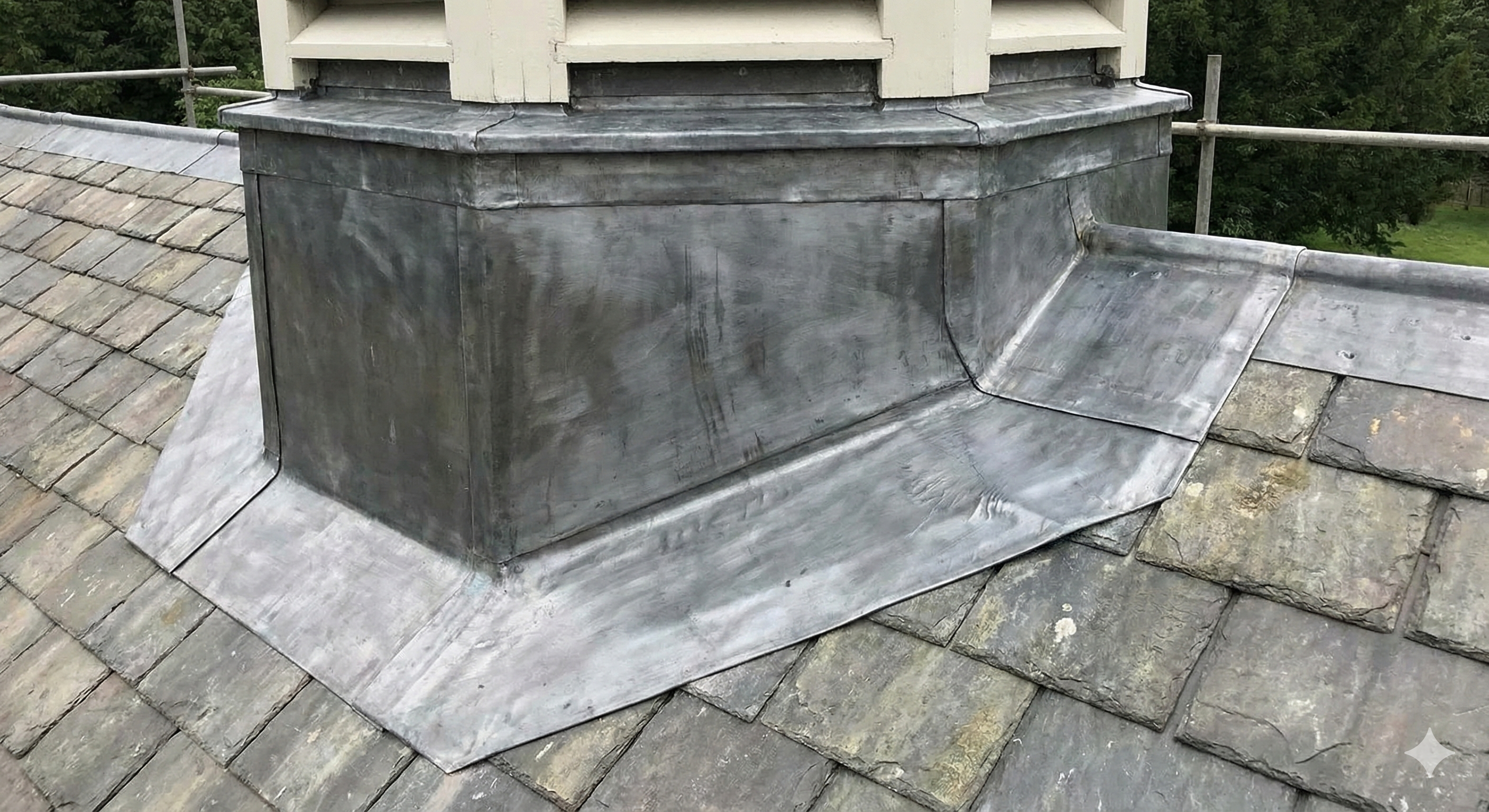
Traditional Milled Lead
We strictly utilise traditional milled lead, dressed by hand. This accommodates natural thermal expansion and contraction, guaranteeing a historically accurate and structurally watertight junction without the use of modern flashband or silicone.
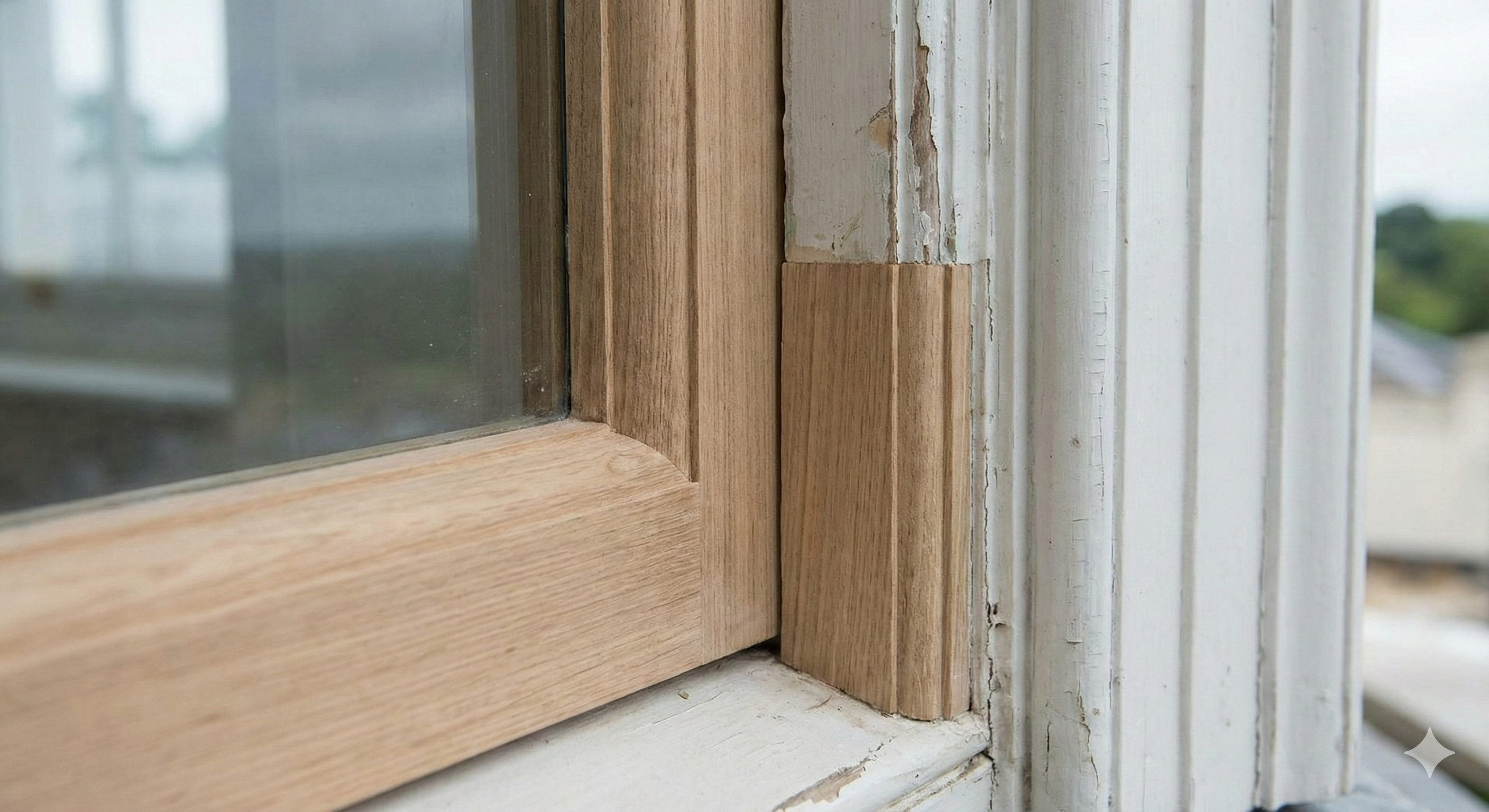
Conservation Timber
Whether performing selective splicing or building a complete replica, we use premium, rot-resistant timbers (such as Accoya or treated hardwoods). Every glazing bar is custom-profiled to exactly match the original Georgian or Victorian sightlines.
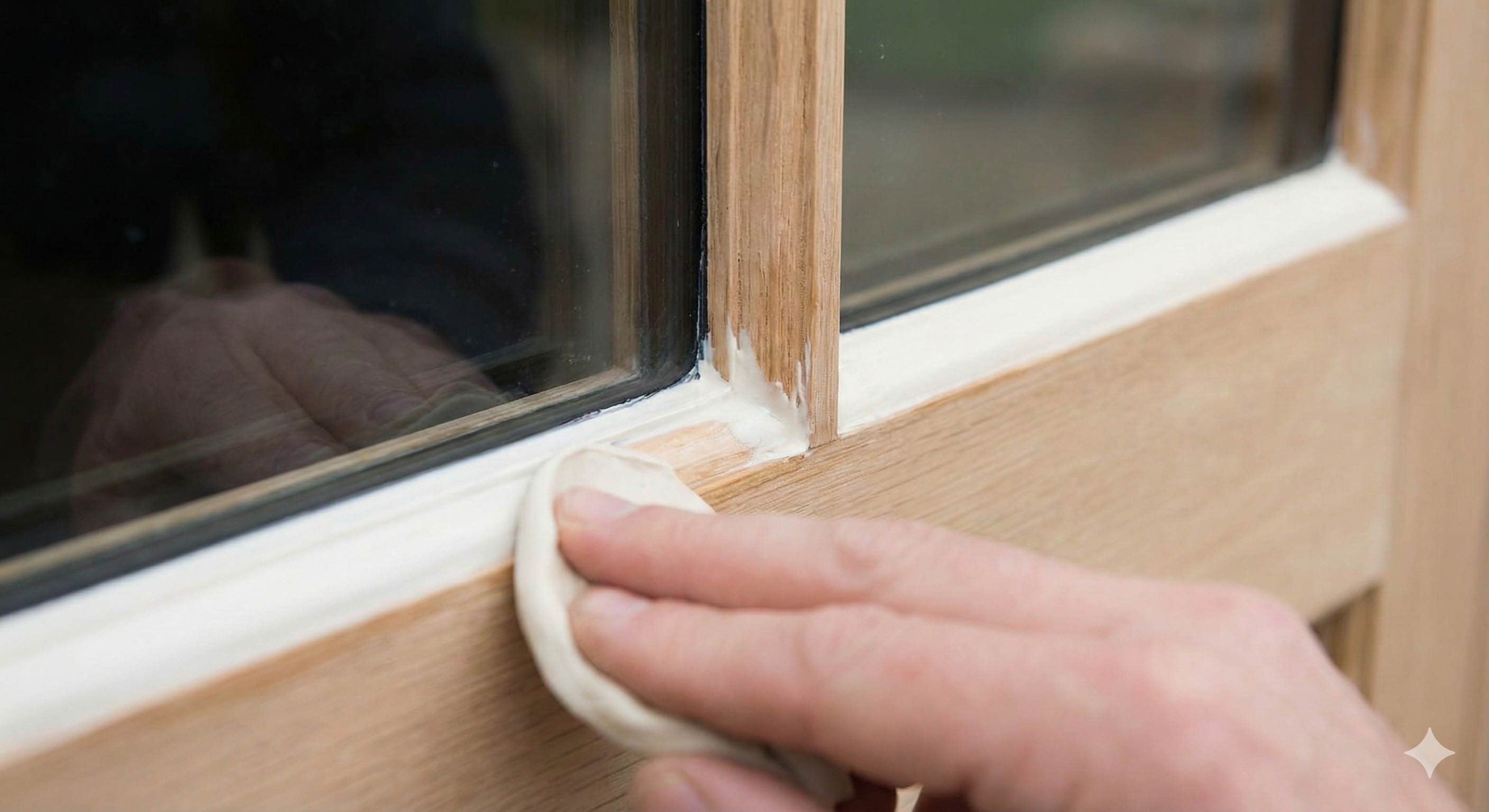
Heritage Glazing & Putty
Modern synthetic sealants are highly discouraged on listed properties. We stabilise the glass using traditional linseed oil putty, maintaining the authentic aesthetic while ensuring the correct breathability for the historic timber framework.
Understanding Your Listing
The level of intervention permitted depends entirely on your property's statutory designation. We tailor our conservation methodology to meet the specific legal requirements of your building's category.
National Importance
Buildings of national or international architectural significance. These require the highest level of material authenticity. Any cupola intervention must be a precise, conservation-grade replication or careful splicing of the original historic fabric.
Regional Importance
Historic buildings of regional or more than local importance. While slightly more flexible than Category A, Edinburgh Council still demands traditional leadwork, historic glazing profiles, and proper timber methodologies for all rooflight works.
Local Importance
Buildings of local importance or those situated within Edinburgh's designated Conservation Areas (such as the New Town). We ensure all skyline alterations and rooflight replacements maintain the visual and structural character of the surrounding heritage zone.
Request a Heritage Survey
Our conservation specialists provide the structural certainty and documentation required for Edinburgh’s listed properties. Contact us today to arrange a detailed cupola or rooflight condition survey.