Preservation Before Replacement
Original structural components are retained wherever viable. Replacement is considered only when deterioration compromises integrity.

Conservation-led structural repair and heritage-sensitive intervention for historic cupolas across Edinburgh’s architectural landscape.
Every restoration project is guided by measured assessment, conservation responsibility, and long-term structural integrity.
Original structural components are retained wherever viable. Replacement is considered only when deterioration compromises integrity.
Structural analysis precedes any physical work. Intervention decisions are based on evidence, not assumption.
Timber, lead, glazing and fixings are selected to align with historic construction methods and long-term performance.
Repairs are designed to extend lifecycle performance rather than provide short-term visual correction.
Structural deterioration is often progressive and concealed. Early identification prevents extensive intervention.
Moisture ingress leading to structural weakening of primary frame members.
Thermal expansion and age-related splitting allowing water penetration.
Seal breakdown and frame movement causing leakage and instability.
Frame settlement or deformation affecting load balance and alignment.
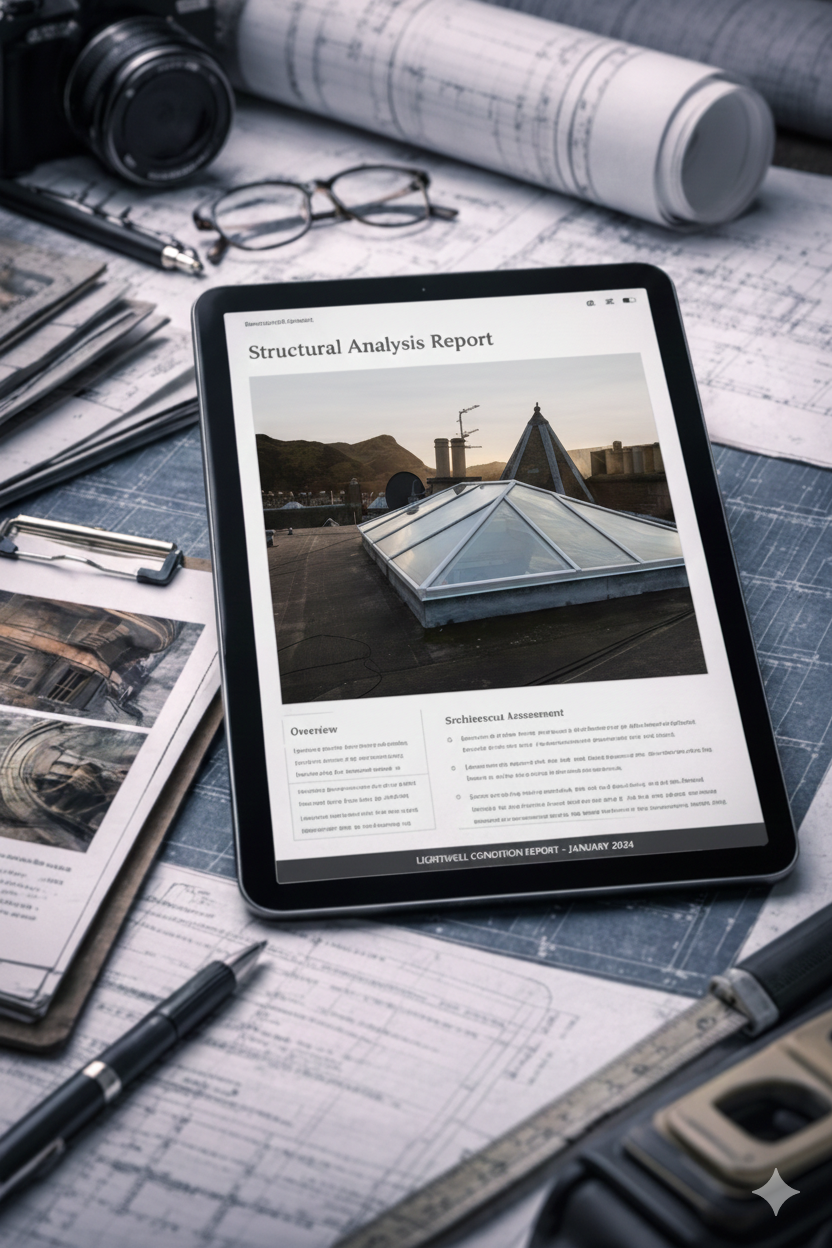
Every restoration follows a structured, documented procedure to ensure structural stability and conservation integrity.
Full structural inspection documenting timber condition, lead integrity, and glazing performance.
Evaluation of load distribution, frame stability, and moisture ingress patterns to identify root failures.
Selection of conservation-appropriate materials aligned strictly with original construction methods.
Precision restoration of structural components while preserving historic architectural proportion.
Formal reporting and defined guarantee coverage provided following the completion of site work.
Restoration is not cosmetic correction. It is structural responsibility.
Timber is assessed for integrity before intervention. Where replacement is required, conservation-grade materials are selected to match original structural intent and load-bearing capacity.
Leadwork is precision-shaped and detailed to accommodate complex thermal movement cycles while maintaining absolute weatherproof integrity for decades to come.
Glazing systems are restored or upgraded with surgical sensitivity to historic proportion, light performance, and modern long-term durability standards.
Evidence-based structural restoration. We transform deteriorated cupolas through conservation-led intervention and high-specification materials.
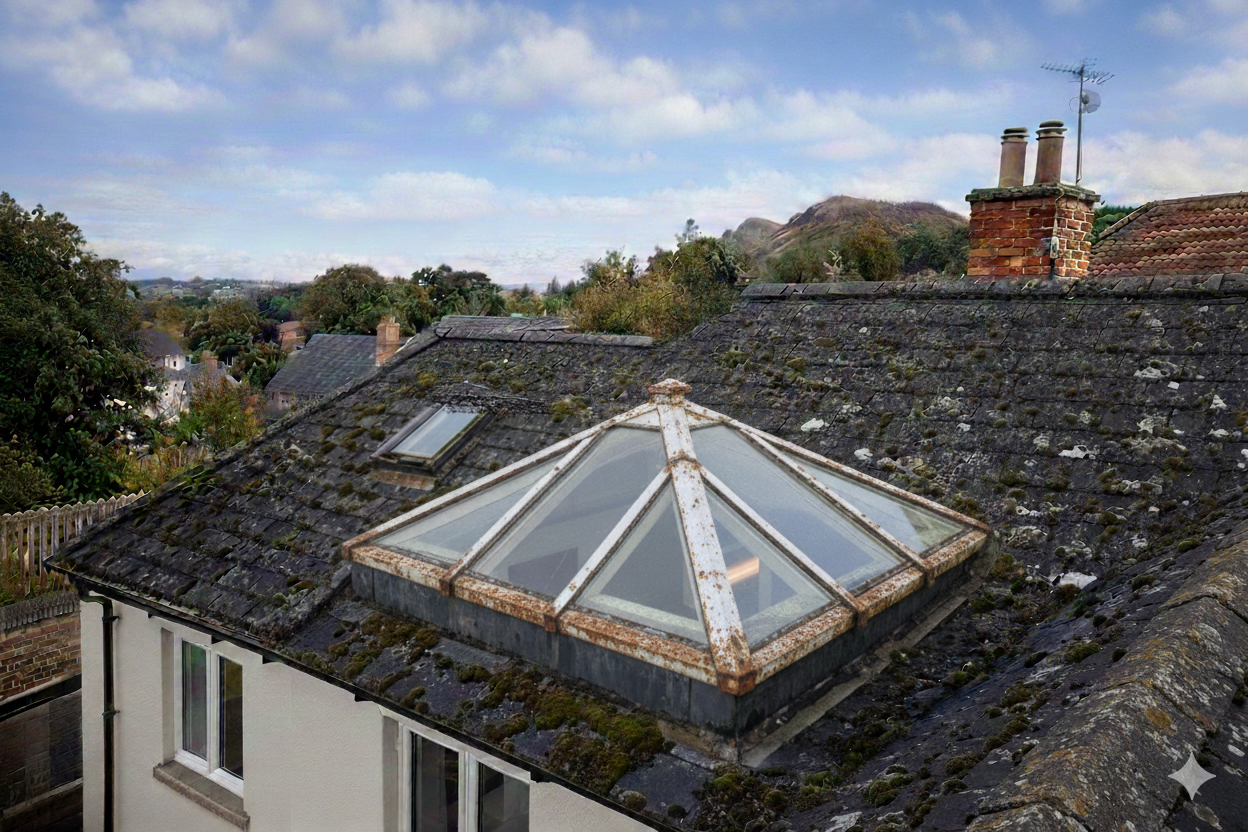
Exposed timber framing with advanced rot, compromised leadwork, and glazing instability.
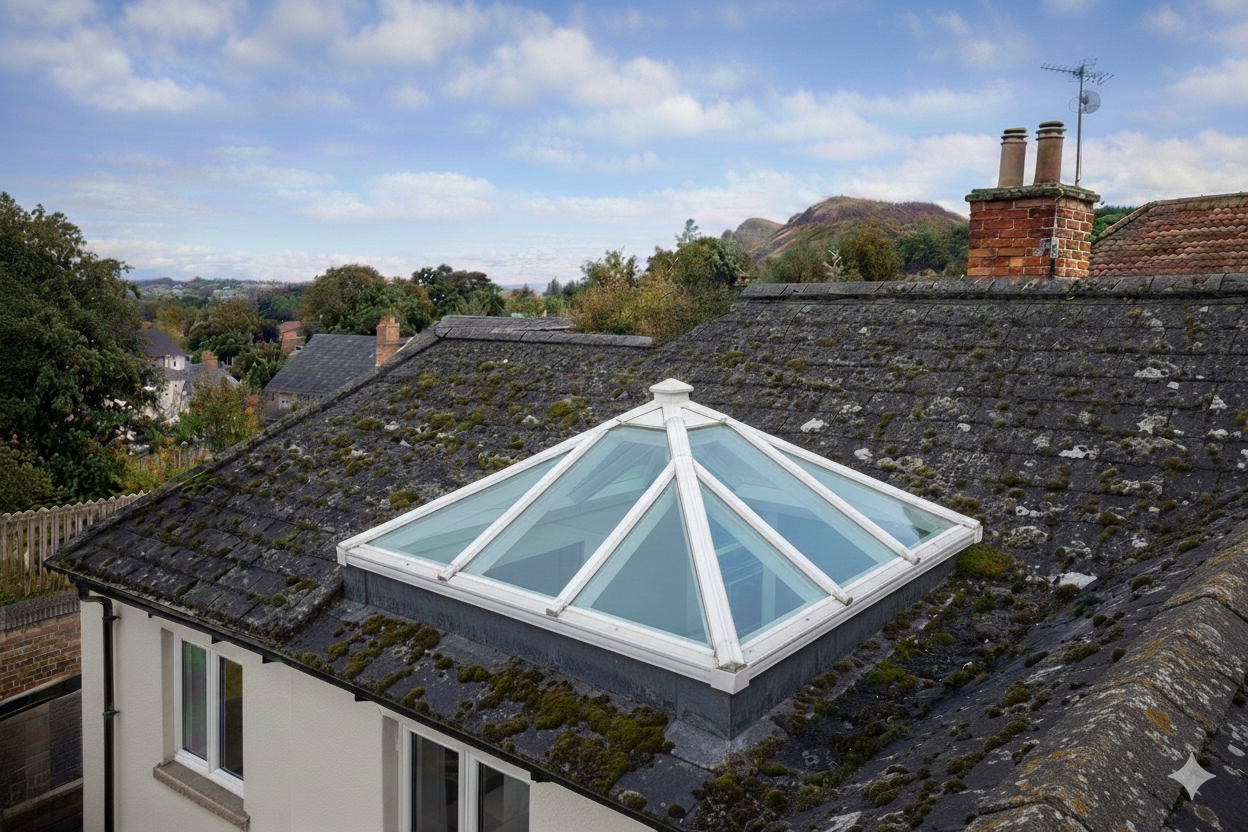
Structural timber reinforced, high-spec lead detailing, and stabilized architectural glazing.